Explore the comprehensive overview to oil immersed transformers, including oil submersed power transformers and oil submersed distribution transformers. Discover their functioning concepts, kinds, advantages, and evolving function in clever grids and renewable energy.
1. Introduction to Oil Immersed Transformers
In the elaborate web of our contemporary electrical grid, transformers play a vital function, silently tipping voltage backwards and forwards to make sure electrical energy can be transferred efficiently over long distances and dispersed safely to our homes and industries. Among the different types available, the oil submersed transformer stands as a testament to tried and tested integrity and durability. For decades, these workhorses have actually formed the backbone of power systems worldwide.
An oil submersed transformer is a kind of electrical transformer that utilizes a specialized insulating oil as both a coolant and a shielding tool. This style is mostly utilized for medium to high-power applications, making it a foundation of electrical infrastructure. This guide dives deep right into the globe of oil submersed power transformers and oil submersed circulation transformers, discovering their innovation, applications, and their progressing duty in a period of digitalization and renewable energy.
1.1 What is an Oil Submersed Transformer?
At its core, an oil immersed transformer contains a magnetic core and copper or light weight aluminum windings housed inside a sealed storage tank loaded with protecting oil. The key function of the oil is twofold:
1. Insulation: The oil has high dielectric toughness, effectively protecting the high-voltage windings from the transformer’s core and based storage tank. This avoids brief circuits and electrical malfunctions.
2. Cooling: As the transformer runs, the windings create considerable warmth because of I ² R losses. The flowing oil absorbs this warm, convects it to the transformer’s storage tank wall surfaces, and dissipates it right into the surrounding air. Larger devices often feature radiators or fins to boost the area for more effective air conditioning.
This dual-purpose use of oil makes the oil immersed transformer extremely efficient and durable, efficient in taking care of high loads and holding up against short-term overloads much better than numerous dry-type options.
1.2 Oil Immersed Power Transformer vs. Oil Immersed Circulation Transformer
While all these devices are oil immersed transformers, they offer unique functions within the power system network. Understanding the distinction is crucial.
An oil immersed power transformer is a heavyweight, commonly made use of in transmission networks at creating stations and significant substations. Their key duty is to “step-up” the voltage produced at the nuclear power plant to incredibly high levels (e.g., 138 kV, 230 kV, 500 kV and above) for efficient long-distance transmission, and to “step-down” the voltage at receiving substations for additional circulation. They are defined by their extremely high power rankings (usually going beyond 100 MVA), intricate building, and on-load tap changers for voltage policy.
An oil involved circulation transformer, on the other hand, performs the final step in the power shipment chain. It takes the medium voltage from the transmission lines (e.g., 11 kV, 33 kV) and steps it to the reduced voltages (e.g., 400/230 V) made use of by business and household consumers. You frequently locate them on utility poles (pole-mounted) or on ground-level pads (pad-mounted). They are smaller, have reduced power scores (commonly approximately 2,500 kVA), and are created for optimal performance at lower, more consistent loads.

(Oil immersed power transformer)
2. Trick Benefits of Oil Submersed Transformers
The long-lasting popularity of the oil submersed transformer is not unintended. It supplies a collection of engaging benefits that make it the preferred selection for numerous demanding applications.
2.1 Superior Air Conditioning and Overload Capability
The remarkable thermal ability of oil compared to air enables an oil submersed power transformer to take care of and dissipate warm far more efficiently. This equates to a greater overload ability. During durations of peak electrical energy demand, an oil submersed transformer can take care of temporary overloads without enduring damages, a critical feature for preserving grid security. The oil’s flow ensures also warmth circulation, stopping local hot spots that can break down insulation in time.
2.2 Boosted Insulation and Long Service Life
The combination of top notch mineral oil and thoroughly fertilized paper insulation creates a dielectric system of phenomenal stamina. This robust insulation system secures the transformer from voltage surges and transients, adding to an operational life expectancy that can reach 30-40 years or more with correct maintenance. The secured container also protects the internal parts from moisture, dust, and other atmospheric contaminants.
2.3 High Efficiency and Cost-Effectiveness
For high-power applications, the oil immersed transformer is frequently one of the most affordable selection. The products utilized– mineral oil, steel container, and copper/aluminum windings– supply a desirable equilibrium of performance and cost. The high efficiency of these transformers, particularly at their ranked lots, results in reduced power losses over their lifetime, resulting in substantial price financial savings for energy firms and big commercial users.
3. Hot Topics and Future Trends
The world of oil immersed transformers is not static. It is continually progressing to satisfy new challenges and incorporate with modern-day technologies.
3.1 Eco-friendly and Fireproof Oils
Environmental and safety worries are driving a considerable change far from traditional mineral oil. The market is rapidly embracing oil immersed transformers full of naturally degradable esters (synthetic or all-natural). These oils use a higher fire point (making them K-class fireproof), are much less hazardous, and are readily eco-friendly, significantly minimizing the environmental impact in situation of a leak. This pattern is making oil submersed circulation transformers more secure for installment in urban locations and ecologically delicate places.
3.2 Combination with Smart Grids and IoT
The contemporary oil involved power transformer is ending up being a smart node in the wise grid. Sensors are being integrated to keep track of essential parameters in real-time, consisting of:
Dissolved Gas Analysis (DGA): Identifying fault gases generated within the oil to forecast incipient faults.
Temperature Level Monitoring: Tracking top-oil and hotspot temperatures.
Load and Power Quality Tracking.
This data, transmitted using IoT (Net of Things) systems, allows predictive upkeep, prevents unintended blackouts, and optimizes transformer utilization and life expectancy.
3.3 Sustaining the Renewable Resource Shift
The international push for renewables is creating new need for oil immersed transformers. Large solar farms and wind power installations require robust oil submersed power transformers to tip up the generated voltage to transmission degrees. Moreover, the recurring nature of renewables places higher stress on grid elements, and the tested integrity and overload ability of oil immersed transformers make them suitable for this vital function.
4. Choice and Upkeep Finest Practices
Picking the right transformer and maintaining it effectively is vital to a trusted power system.
4.1 How to Choose the Right Oil Immersed Transformer
Selecting in between an oil submersed power transformer and an oil submersed circulation transformer depends upon the application. Key considerations consist of:
1. Voltage Level and kVA Score: Match the transformer’s specifications to your system’s requirements.
2. Application: Transmission substation, industrial plant, or industrial distribution.
3. Place: Indoor vs. exterior, environmental conditions, and fire security laws (which might affect the choice of shielding oil).
4. Effectiveness Standards: Comply with regional efficiency criteria like DOE (U.S.A.) or EU CoC (Europe).
5. Budget: Consider both the initial resources cost and the overall expense of ownership, including losses.
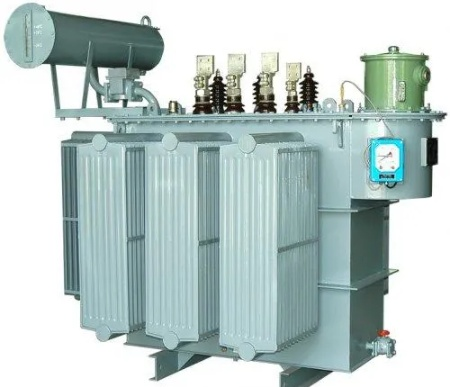
(Oil immersed distribution transformer)
4.2 Crucial Upkeep for Longevity
Aggressive upkeep is vital for any kind of oil submersed transformer. An extensive program should consist of:
1. Routine Oil Tasting and Screening: Regular DGA and screening of dielectric toughness and wetness material are one of the most efficient means to analyze the health of the transformer.
2. Bushing and Insulation Assessment: Aesthetic look for fractures, contamination, or leaks.
3. Faucet Changer Maintenance: Normal inspection and servicing of on-load or off-load tap changers.
4. Keep it Clean and Dry: Making sure the tank outside, radiators, and rests are tidy and practical.
The oil immersed transformer, in its functions as both a high-capacity oil submersed power transformer and an ubiquitous oil submersed distribution transformer, continues to be an irreplaceable part of our international energy facilities. Its tried and tested style, combined with continuous advancements in insulating liquids and digital monitoring, guarantees it will continue to be a trusted, efficient, and smart remedy for powering our world for years to come. As we construct the grids of the future, integrating even more renewables and digital knowledge, the robust and adaptable oil submersed transformer will undoubtedly go to the heart of it.
About us
Luoyang Datang Energy Technology Co., Ltd. is a high-tech enterprise integrating R&D, manufacturing and supply of power equipment such as transformers, new energy components, distribution cabinets and inverters. With technological innovation as the core, we focus on creating high-reliability and high-performance power solutions to serve global customers. With a strict quality control system and international standard certification, we continue to output excellent products and enable customers to build safe and stable power systems. If you are interested in power line transformer diagram, please feel free to contact us!
All articles and pictures are from the Internet. If there are any copyright issues, please contact us in time to delete.
Inquiry us