1. The Unseen Engineers of Concrete Stamina
Photo a concrete slab as a gigantic cracker– difficult when pressed, yet shattering at the first bend. For many years, designers propped it up with steel bars, but a quieter transformation has settled: concrete fiber. These microscopic strands, finer than a human hair, are turning concrete from a vulnerable block right into a resilient structure. From airport terminal runways that withstand countless plane landings to earthquake-proof structures, concrete fiber functions as the invisible engineer, weaving strength into frameworks we rely on daily. It does not just patch cracks; it quits them before they start, changing concrete right into a product that assumes like nature’s most difficult rock.
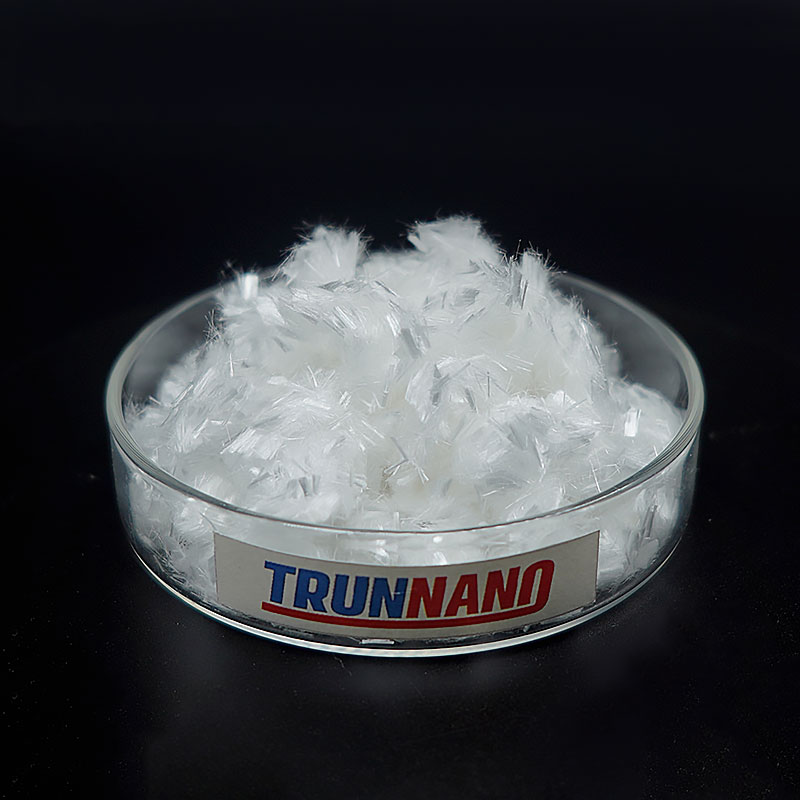
(Concrete Fiber)
What makes concrete fiber so transformative? Unlike bulky rebar, it spreads with concrete like a net, developing an internet of assistance. A single fiber appears insignificant, yet numerous them create a dispersed protection system. When stress draws concrete apart, fibers stretch, bridge spaces, and share the lots– like hundreds of tiny shock absorbers. This moves concrete from “fragile failure” (ruining all of a sudden) to “ductile resistance” (flexing without breaking), a game-changer for jobs where dependability is non-negotiable.
2. How Concrete Fiber Quits Cracks Prior To They Begin
At the heart of concrete fiber’s power is a straightforward mission: obstructing splits at the mini degree. When concrete dries or bears weight, little microcracks form– like hairline cracks in glass. Without support, these combine right into larger cracks, bring about collapse. Concrete fiber disrupts this domino effect by functioning as a “molecular bridge.” When a crack attempts to broaden, fibers spanning the space get pulled taut, withstanding separation. Think about it as embedding countless elastic band in concrete: they stretch, take in energy, and maintain the material undamaged.
Not all concrete fibers are alike. Steel fibers, for example, are the “muscle mass,” enhancing tensile stamina to assist concrete resist pulling forces– suitable for durable floorings. Artificial fibers made from polypropylene or nylon imitate “flexible ligaments,” regulating contraction fractures as concrete dries. Glass fibers provide deterioration resistance, perfect for damp environments like sewage storage tanks. Natural fibers, such as hemp or coconut, bring environment-friendly charm however requirement therapy to avoid deteriorating. Each type customizes concrete fiber to a certain obstacle.
Distribution is crucial. If concrete fibers glob, they create weak points. Engineers adjust mixing times, rates, and fiber size (commonly 12– 60 mm– enough time to span fractures, short enough to blend smoothly) to make certain even spread out. This turns concrete from a monolithic block right into a wise composite: it senses anxiety and reacts by sharing the lots, like a group of small assistants operating in sync.
3. Crafting Concrete Fiber Blends Art Fulfills Design
Making concrete fiber-reinforced concrete is component science, component craft. It starts with picking the appropriate concrete fiber for the task. A highway project could go with steel fibers for their brute toughness, while a domestic patio area could use synthetic fibers to maintain expenses low. Once selected, fibers are mixed right into the concrete slurry with treatment– also fast, and they entangle; as well slow, and they settle. Modern plants use automated systems that monitor mixing speed and time, making sure each batch has fibers uniformly distributed.
The mixing process itself is essential. Concrete’s base ingredients– cement, sand, accumulation, water– must bond securely with concrete fiber. Excessive water compromises the mix, so producers adjust the water-cement ratio to keep fibers from floating or sinking. Some plants precoat fibers with a bonding representative, aiding them grip the cement paste like Velcro. After blending, samples are crushed to examine toughness, and microscopes scan for globs. Only sets that pass these checks get to construction websites.
Quality assurance doesn’t end there. On-site, workers shake the concrete to get rid of air pockets that can hide concrete fibers, then heal it by maintaining it wet as it hardens. Correct healing allows cement totally moisturize, developing a strong matrix around each fiber. This interest to information transforms a basic mix into a product that lasts longer than conventional concrete by years.
4. Concrete Fiber at work From Roadways to Skyscrapers
Concrete fiber is almost everywhere, quietly strengthening the world around us. In metropolitan infrastructure, it’s a lifeline for roads and bridges. Flight terminal paths, pounded by jet engines, make use of steel fibers to reduce exhaustion splits– one significant flight terminal reported a 50% drop in upkeep after switching. Bridges, stressed by temperature swings, rely upon concrete fiber to avoid fractures, extending their life in rough environments.
Structures lean on concrete fiber as well. Warehouse floors, hit by forklifts, utilize artificial fibers to avoid chipping. High-rise foundations make use of steel fibers to withstand dirt settlement. In quake zones, concrete fiber-reinforced walls bend with seismic waves instead of falling apart, conserving lives. Even decorative concrete, like park pathways, makes use of fibers to remain crack-free under foot web traffic.
( Concrete Fiber)
Water administration is another frontier. Dams and canals lined with concrete fiber stand up to infiltration and freeze-thaw damage– important in cold areas. Industrial tanks storing chemicals use glass fibers to fight rust. Specialized makes use of abound: tunnel linings deal with ground pressure, overseas platforms make it through deep sea, and farming silos keep grain without fracturing. Concrete fiber isn’t simply an upgrade; it’s a necessity for contemporary toughness.
5. Beyond Toughness The Hidden Perks of Concrete Fiber
Concrete fiber does greater than increase strength– it resolves several problems simultaneously. Standard concrete shrinks as it dries, causing fractures. Concrete fiber imitates interior restrictions, cutting shrinking by 30– 50%, indicating fewer repair services for brand-new structures.
Resilience obtains a lift also. Concrete fiber withstands freeze-thaw cycles (where water in fractures increases when iced up) and chemical strikes, like roadway salt. Research studies show concrete fiber revealed to deicing salts lasts twice as long as regular concrete. It also slows warmth penetration, improving fire resistance and giving occupants much more leave time.
Building and construction obtains easier. With concrete fiber, jobs need much less steel rebar– no cutting, flexing, or tying bars. Formwork (concrete mold and mildews) can be eliminated sooner, speeding timelines. DIYers love it too: fiber-reinforced blends are much easier to put and form for outdoor patios or garden wall surfaces.
Eco-friendliness is emerging. Some concrete fibers are made from recycled plastics or ranch waste, diverting garbage from land fills. By making concrete stronger, fibers reduce the quantity of cement needed– reducing carbon discharges, considering that cement manufacturing triggers 8% of worldwide carbon dioxide. Small actions, huge effect.
6. The Future of Concrete Fiber Wiser Stronger Sustainable
The future generation of concrete fiber is already here. Smart fibers embedded with sensing units keep an eye on architectural health in real time, alerting engineers to anxiety prior to splits form. These “living” concrete systems might turn structures right into self-diagnosing frameworks.
Sustainability drives technology. Researchers are examining bamboo, hemp, and algae fibers– fast-growing, carbon-sequestering products. Recycled steel fibers from old autos are acquiring grip, shutting resource loops. Nanofibers, 100 times thinner than hair, promise steel-like toughness with foam-like agility.
3D printing is a frontier. Printers lay down concrete fiber in accurate patterns, optimizing fiber orientation for specific stresses. This “printed architecture” develops complicated shapes– bent bridges, natural exteriors– once impossible. Faster printers could quickly make it possible for affordable, customized real estate with concrete fiber at its core.
Plan and demand are pressing fostering. Governments upgrade constructing codes to prefer sturdy materials, and environment-friendly certifications award concrete fiber use. Consumers want infrastructure that lasts, not roadways full of fractures in 5 years. This change ensures concrete fiber will certainly move from niche to norm.
Concrete fiber’s story is among peaceful change. What began as a repair for splits has become a modern technology redefining stamina, resilience, and sustainability. As cities broaden and climate pressures mount, these tiny strands will certainly hold up the world– one fiber at once.
7. Provider
Cabr-Concrete is a supplier under TRUNNANO of concrete fiber with over 12 years of experience in nano-building energy conservation and nanotechnology development. It accepts payment via Credit Card, T/T, West Union and Paypal. TRUNNANO will ship the goods to customers overseas through FedEx, DHL, by air, or by sea. If you are looking for concrete fiber , please feel free to contact us and send an inquiry.
All articles and pictures are from the Internet. If there are any copyright issues, please contact us in time to delete.
Inquiry us